Pet Health Care has become not just a responsibility these days, but a life-saving habit for every pet owner, because a small negligence can lead to serious health problems for your beloved dog or cat.
Nowadays, many people are suddenly scared by dog fever symptoms, cat vomiting causes, or pet poisoning symptoms, but due to not knowing the right information, it is often too late to take the necessary steps, which can be risky for the animal.
For this reason, it is very important to know the complete procedure for proper health care, through which you will be able to understand when your pet is healthy, when problems are starting to arise, and when it is necessary to take him to the vet quickly.
In this guide, you will learn how to give your dog and cat a long and healthy life through regular care, proper food, vaccinations, and cleanliness, and how to prevent major diseases by looking at small symptoms.
What Is Pet Health Care and Why It Matters

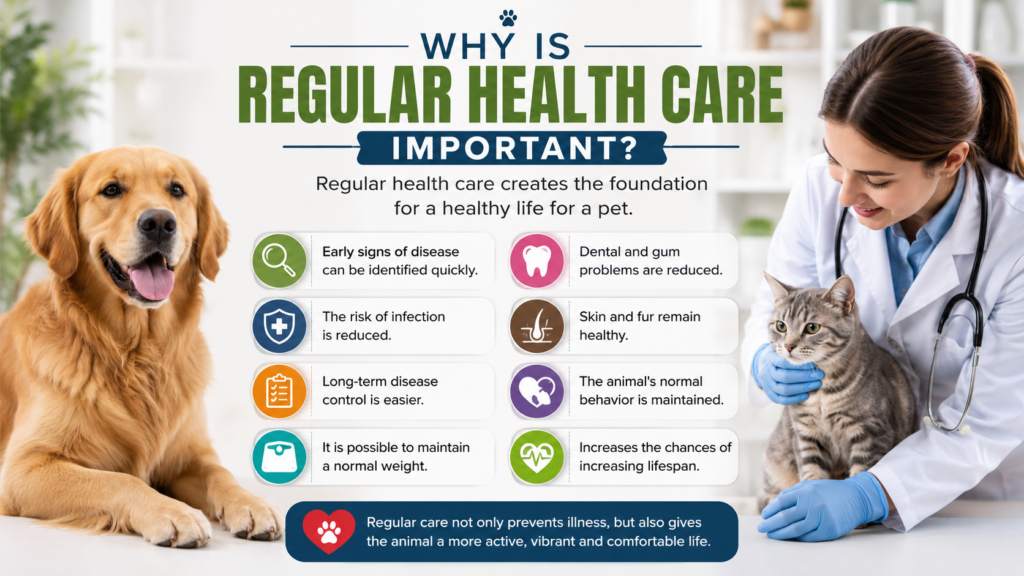
Pet healthcare refers to an integrated management approach that combines proper diet, hygiene, medical care, and regular monitoring to maintain the physical well-being, mental state, and emotional balance of pets. This process not only keeps the animal’s body free of disease, but also stabilizes their normal behavior and lifestyle, which improves their overall quality of life in the long run.
Why Proper Care Extends Pet Lifespan
Regular care and proper management play an important role in extending the lifespan of pets, as it can detect and control minor problems inside the body before they become major diseases. As a result, the possibility of sudden complex health risks is greatly reduced and the animal’s daily normal activities continue to function healthily. This entire process is directly related to regular pet checkups, which ensure a stable and safe life in the long run through preventive healthcare.
Complete Dog Health Care System Explained

Common Dog Health Issues Every Owner Must Know
Some common health problems are often seen in the daily life of dogs, which can reach a complex state if not understood in time. Notable among these are dog vomiting causes, which are often caused by unusual food intake or infection. Similarly, dog diarrhea treatment is required when digestive problems or parasite infections occur. On the other hand, dog coughing causes are usually caused by respiratory problems, colds or allergies, which can turn into chronic illnesses if neglected.
Understanding Dog Fever Symptoms Early
It is very important to recognize dog fever symptoms early, because taking quick action in the early stages can avoid major complications. Common symptoms include increased ear temperature, weakness and aversion to food. Sometimes the animal also moves away from normal play, which can indicate internal problems in the body.
Dog Skin Diseases and Prevention Guide
Dog skin diseases are usually caused by allergies, fleas, ticks, or an unclean environment. It can cause itching, redness, and sores on the skin. Maintaining regular cleanliness, feeding the right food, and keeping the environment healthy play a very effective role in preventing these problems.
Dog Ear Infection and Treatment Basics
Dog ear infection causes symptoms such as bad odor, excessive itching, and frequent head shaking in the dog’s ears. Sometimes, dirt or bacteria inside the ear is the main cause of this problem. If not treated on time, it can cause pain and hearing problems.
Dog Eye Infection Treatment at Home
Dog eye infection treatment Initially, the eyes can be gently cleaned with a clean and soft cloth as a home care. However, if the eyes become red, watery, or pus comes out, it is very important to consult a veterinarian without delay, as this may be a sign of infection.
Why Your Dog Is Not Eating Suddenly
Among the reasons for dogs not eating, stress, illness or toothache can be the main reasons. Sometimes, even after moving to a new environment, reluctance to eat occurs. Not eating for a long time is considered a sign of serious health problems.
Dog Weight Loss Causes and Warning Signs
Dog weight loss causes are usually caused by long-term illness, nutritional deficiency or parasitic infection. Sudden weight loss is always a warning sign, as it can indicate a major problem inside the body that requires immediate treatment.
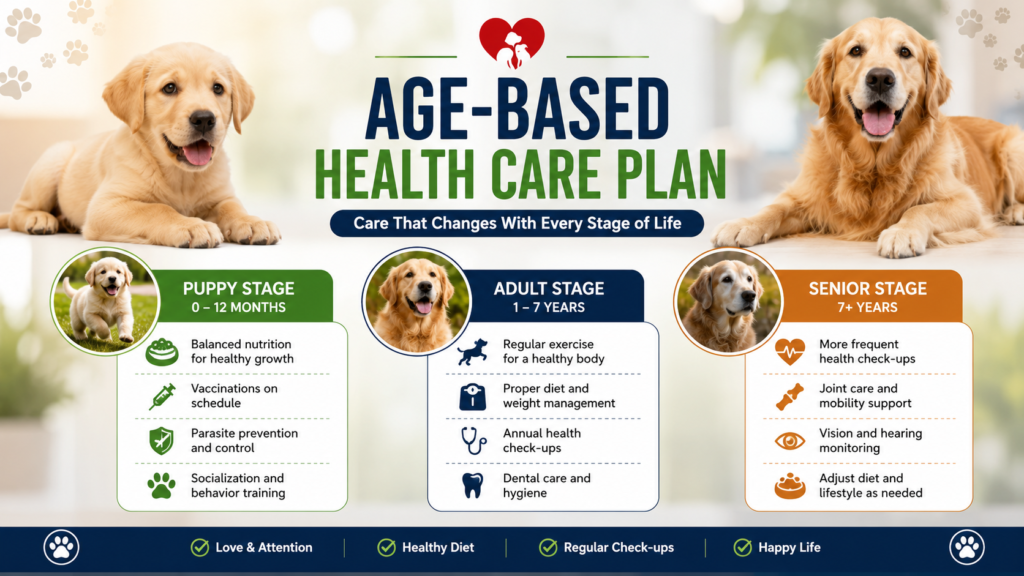
Puppy Health Care Tips for Strong Growth
If proper care is not given at a young age, the physical and mental growth of the puppy is hampered, so regular care is very important.
- Balanced diet: Puppies should be given nutritious food according to their age so that their bones and muscles are strong and normal growth is ensured.
- Vaccination: By giving vaccinations at the specified time, it is possible to protect the puppy from various serious diseases and increase its immunity.
- Socialization: By introducing it to people and other animals, the puppy’s behavior becomes normal and mental development develops healthy.
Proper Puppy Health Care ensures strong growth, better immunity, healthy behavior, and a long, disease-free happy life.
Complete Cat Health Care System Explained

Most Common Cat Health Problems Explained
Some common health problems are very common in cats’ daily lives, which can become complicated if not identified quickly. One of these is cat vomiting causes, which can usually be caused by hairballs, digestive problems, or a sudden change in diet. Similarly, cat diarrhea treatment is required when the digestive process is disrupted or a parasitic infection occurs.
Cat coughing causes are mostly caused by respiratory infections, dust, or allergies, which can lead to more serious problems if not taken care of on time.
Although these symptoms may seem mild in cats, they can be important signs of internal health problems. Therefore, proper observation and timely care are very important for their long-term well-being.
Cat Not Eating — Causes and Immediate Actions
If a cat suddenly starts not eating, it should never be ignored as a simple problem, as it can often be the initial sign of a serious illness inside the body. In general, this condition can be caused by stress, digestive problems, dental pain, infection, or environmental changes. In many cases, cats can also stop eating due to a change in the smell or taste of food, which the owners may not notice at first.
In such situations, it is very important to monitor within the first 24 hours, because not eating for a long time can weaken the body and cause liver or kidney problems. Keeping the cat in a quiet environment, ensuring water, and trying a bland diet can be the initial steps. However, if the condition persists, it is important to seek veterinary advice quickly, as this is considered an important warning sign in pet care.
Cat Flu Symptoms and Recovery Guide
Cat flu symptoms are usually caused by a viral infection, which can spread quickly and affect the cat’s normal lifestyle. In this condition, the cat may experience weakness, reluctance to eat, and respiratory problems, which are important to identify in time.
The most common symptoms include sneezing, runny nose, red eyes, and sometimes fever. If such symptoms occur, the cat should be kept in an isolated environment, so that the infection does not spread to other animals.
Maintaining cleanliness, providing adequate water and providing a light nutritious diet are very important during the recovery phase. However, if the symptoms persist, it is necessary to seek veterinary advice immediately, as without proper treatment, this problem can become complicated and can have a major impact on pet care.
Cat Eye Infection and Proper Care
Cat eye infection is a common but serious health problem that occurs when a cat’s eye becomes infected with bacteria, viruses, or dust. Symptoms include redness, excessive watering, a thick or sticky discharge, and difficulty opening the eye, which can become more serious if not treated promptly.
It is important to keep the eye clean and hygienic to prevent the infection from spreading. The eyes can be cleaned gently with a clean, soft cloth or vet-safe solution and should be monitored daily. If redness or discharge continues to increase, it is important to consult a veterinarian as this is an important part of pet care to help prevent long-term eye damage.
Cat Weight Loss — When to Worry
Cat weight loss often occurs gradually, but it is often a sign of a serious underlying health problem. Weight loss in cats can usually be caused by digestive problems, parasitic infections, thyroid imbalances, or long-term illnesses, which can start as very mild symptoms but can become more serious over time.
If your cat continues to lose weight despite eating regularly, this is not normal and requires immediate attention. This condition can be accompanied by decreased energy, weakness, and a reluctance to play, which are signs of underlying illness. Chronic cat weight loss should never be ignored, as it is considered an important warning sign of pet care, and seeking immediate veterinary attention is the safest course of action.
Cat Skin Problems and Solutions
Cat skin problems are a very common health problem in cats, which can occur for a variety of reasons and can cause long-term discomfort if not identified quickly. Common causes include flea or insect infestations, food or environmental allergies, and bacterial or fungal infections, which can cause itching, redness, scaling, or sores on the skin.
When such problems start, the cat keeps licking or scratching its body repeatedly, which worsens the condition and increases the risk of spreading the infection. Maintaining proper hygiene, regular grooming, and ensuring a clean environment help in the initial solution of this problem. If cat skin problems are chronic or increasing, it is very important to consult a veterinarian as an important part of pet vare, so that proper treatment can ensure quick recovery.
Kitten Health Care Tips for Beginners

Following kitten health care tips is very important, because young kittens are physically very sensitive and their immune system is not yet fully developed. If they do not get proper care at this time, they can easily become weak and may develop long-term health problems later. Therefore, it is necessary to create a careful routine from the beginning.
First, it is important to ensure a warm and safe environment for kittens, because cold or unhealthy environments quickly weaken their bodies and increase the risk of illness. Secondly, the right food should be given at the right time, so that they grow normally and maintain strength. Regular and proper kitten health care tips can help kittens grow up healthy, active, and well, which in the long run will strengthen their entire pet care system.
Kitten Vaccination Schedule Explained
A kitten vaccination schedule is an important health plan that protects young kittens from various serious infectious diseases and gradually strengthens their immune system. Although there are some antibodies in the mother’s milk after birth, they are not sufficient in the long term, so it is very important to vaccinate according to the specific age.
Generally, the first vaccination starts at 6 to 8 weeks of age and booster doses are given at specific intervals in the subsequent stages, which help prevent feline distemper, respiratory infections, and other viral diseases. Following the correct kitten vaccination schedule strengthens the kitten’s body, reduces the risk of infection, and gives them the opportunity to grow up safely, which is considered an essential part of the complete pet care system.
Preventive Pet Health Care System

Complete Pet Vaccination Schedule Guide
A pet vaccination schedule is a very important part of preventive pet health care, where pets are vaccinated at specific ages and times to protect them from various life-threatening diseases. This process builds a strong immune system in dogs and cats, which helps prevent the attack of viruses and bacteria.
Generally, booster doses are given step by step, starting from a young age, so that the body gradually gains immunity and remains healthy in the long run. Following the correct pet vaccination schedule can protect against many serious diseases including rabies, distemper, feline viral disease. It is not just a treatment, but a life-saving preventive measure, which ensures a healthy and safe future for your pet.
Dog Vaccination Schedule Explained
A dog vaccination schedule is a specific treatment plan, through which dogs are vaccinated step by step to protect them from various serious viruses and bacteria. Following this schedule builds a strong immune system in the dog’s body, which greatly reduces the risk of future infections and ensures a healthy life in the long run.
Cat Vaccination Schedule Explained
Usually, the first vaccination starts according to the dog’s age and then booster doses are given at specific intervals, so that the body can maintain immunity. If this dog vaccination schedule is followed correctly, it provides protection from life-threatening diseases including rabies, parvovirus, distemper. It is an essential part of the pet health care system, which forms the basis for a healthy and safe life for every dog.
A cat vaccination schedule is a planned preventive system, through which vaccinations are given at specific times to protect cats from various infectious and life-threatening diseases. This process builds a strong immune system in the cat’s body, which helps prevent future viral or bacterial attacks and ensures long-term health.
Usually, vaccination is started from a young age and booster doses are given at specific intervals, so that the body’s defenses remain strong permanently. Following the correct cat vaccination schedule can protect against many serious diseases, including feline panleukopenia and respiratory infections. It is an important part of pet health care, which plays an essential role in ensuring a safe, healthy, and long life for your cat.
Pet Deworming Guide for Parasite Control
Pet deworming guide is an important preventive pet care system, through which intestinal worms or parasites are removed from the body of the pet and the risk of reinfection in the future is reduced. If this process is followed correctly, the digestive power of dogs and cats remains normal, nutrient absorption is proper and the chances of the body becoming weak are reduced.
Parasitic infections usually enter the body through contaminated food, soil or water and gradually cause problems like weight loss, weakness or bloating. Regularly following the pet deworming guide can easily control such problems and maintain the overall health of the animal. It is an essential part of Pet Health Care, which helps ensure a healthy and strong life in the long run.
Flea and Tick Treatment That Works Fast
Flea and tick treatment is an effective method of quickly protecting the skin and body of pets from harmful parasites, which helps reduce itching, skin lesions and infections in dogs and cats. Fleas and ticks usually attach to the body by coming into contact with unclean environments, grass or other animals and multiply rapidly, causing the animal to feel uncomfortable and weak.
It is very important to take quick action in this problem, because if not treated in time, skin infections, anemia or long-term health complications can occur. Using the right flea and tick treatment quickly eliminates the parasites and reduces the risk of reinfection. This is an important part of pet care, which ensures the health, comfort and long-term well-being of the animal’s skin.
Daily Pet Hygiene Tips for Disease Prevention
Following pet hygiene tips is the most basic but very important part of protecting the health of pets, because regular cleanliness reduces the transmission of bacteria, viruses and parasites to a great extent. Keeping the body, food bowl and living space of dogs and cats clean regularly keeps them healthy and fresh and reduces the risk of various diseases.
Daily care includes regular bathing, grooming, teeth and ear cleaning, and keeping the food area clean. In addition, a clean environment makes pet hygiene tips more effective and helps prevent problems like skin infections, flea infestations, or digestive problems. This is an essential part of a health care system that ensures the long-term well-being and normal lifestyle of the animal.
Importance of Pet Regular Checkup Routine
Pet regular checkup is an important routine for monitoring the health of pets, through which it is possible to identify diseases before they start. Regular checkups can quickly detect internal problems such as infections, nutritional deficiencies or organ weakness and treat them in time.
In addition, many times, even if they appear healthy on the outside, problems can gradually develop inside, which can only be understood through regular examinations. Therefore, pet regular checkup is not just treatment, but a preventive measure, which ensures the well-being of pets in the long term and reduces the risk of complex diseases.
How to Keep Pets Healthy Long-term
To know how to keep pets healthy, it is important to maintain daily care, proper diet and mental care together. Balanced food, sufficient water, regular exercise and a clean environment create the foundation for the long-term well-being of pets.
In addition, timely vaccination, parasite control and monitoring behavioral changes are also very important. When these practices are followed together, the animal’s immune system is strong and they can live a healthy and active life for a long time.
Emergency Pet Health Care Guide

Dog First Aid Basics Every Owner Must Know
Dog first aid is an immediate first aid measure to save the life of a dog in an emergency, which is used in the event of an accident, injury or sudden illness. Sometimes, just a few minutes of proper action before reaching the veterinarian can stabilize the animal’s condition and help prevent major damage.
In such situations, it is very important to stop the bleeding, keep the wound clean, calmly position the dog if it is having difficulty breathing, and keep it in a safe place. Dog first aid is not just medical treatment, but a responsible pet health care skill that every owner should know. Taking the right first aid steps can reduce the risk of an emergency and create the opportunity for quick treatment, which plays an important role in saving the animal’s life.
Recognizing Pet Poisoning Symptoms Early
Recognizing pet poisoning symptoms early is very important to save the life of a pet, because poisoning weakens the body very quickly and the situation can become complicated in a short time. In general, symptoms such as sudden vomiting, excessive salivation, body tremors, unusual weakness and difficulty breathing are seen in this condition.
Many times, this problem occurs when you eat toxic food, chemicals or something unknown, which can be fatal if neglected. Therefore, it is important to take quick action as soon as you see pet poisoning symptoms and the safest decision is to seek veterinary help without delay. This is an important part of pet health care, which helps save the life of the animal if taken on time.
Dog Choking Solution Step-by-Step
Whenever food or any object gets stuck, it is important to know the dog choking solution, because if you do not take the right action quickly, your life is at risk.
- Calm approach: First, you should stay calm and control the situation by holding the dog safely without getting scared, so that excessive panic does not increase.
- Mouth inspection: If you see an object inside by opening the mouth carefully, try to remove it slowly, so that the airway does not become further blocked.
- Back thrust technique: You can try to remove the stuck object by patting the back with light pressure, but do not apply excessive force.
- Immediate vet help: If breathing becomes difficult or the object does not come out, it is important to take it to the veterinarian immediately.
Proper dog choking solution ensures quick emergency response, saves life instantly, and improves overall pet care safety standards.
Pet Emergency Care Tips That Save Lives
Pet emergency care tips are some immediate steps and decisions that help save the life of a pet in the event of a sudden accident, illness, or physical crisis. In such situations, thinking quickly, assessing the situation correctly, and taking action without delay is most important. Sometimes, the right decision in a few minutes can stabilize the animal’s condition.
In an emergency, the animal should first be kept calm and kept in a safe place, so that it does not suffer additional injury or fear. If symptoms such as bleeding, shortness of breath, or unconsciousness occur, it is important to provide quick first aid and take your pet to the nearest veterinarian. Knowing the right pet emergency care tips can help every pet owner save lives more responsibly and strengthen the pet care system.
When to Take Pet to Vet Immediately
Knowing when to take pet to vet is very important for every pet owner, because many health problems may seem minor at first, but can quickly become serious. If your pet suddenly vomits repeatedly, stops eating, has difficulty breathing, or shows unusual weakness, it should not be ignored and requires immediate medical attention.
In addition, if there are signs of injury, excessive bleeding, unconsciousness, or poisoning, it is important to take your pet to the veterinarian without delay. Being able to decide when to take pet to vet at the right time can save the animal’s life and is the most important part of pet care, which ensures safe and quick treatment in an emergency.
Advanced Pet Health Care Insights

Behavioral Changes as Early Disease Signals
Behavioral changes in pets often serve as the first warning signs of unknown problems inside the body, which can be prevented by understanding them in time. If a calm animal suddenly becomes excessively lazy, loses interest in playing, or wants to be alone, it can be an indication of not only mental but also physical problems.
In many cases, decreased appetite, changes in sleep patterns, or unusual behavior towards the owner can also be signs of internal diseases. Paying attention to such small changes is an important part of Pet Health Care, because if they are correctly identified at an early stage, treatment can be started before serious diseases develop and it is possible to ensure the long-term well-being of the pet.
Nutrition Optimization for Dogs and Cats
Proper nutritional management is very important to ensure a healthy life for pets, because a balanced diet prevents 70% of diseases—this fact serves as the main foundation of pet care. Providing dogs and cats with the protein, vitamins, minerals, and adequate water they need can help keep their immune system strong and their daily performance normal.
Irregular eating habits or poor-quality food can often cause digestive problems, weakness, and long-term health risks. Therefore, it is necessary to plan a diet based on age, weight, and physical condition to ensure that the body’s necessary nutrients are met properly. Following proper nutrition optimization not only keeps pets healthy, but also increases their energy, activity, and longevity.
Mental Health and Stress Management in Pets
The mental health of pets is directly related to their physical health, as long-term stress or instability can gradually cause various diseases in the body. This fact is especially important in cats, as stress leads to illness—especially in cats, because they quickly experience mental stress due to environmental changes, excessive noise, or loneliness.
Stress can often lead to food aversion, excessive hiding, or behavioral changes, which can later lead to digestive problems, weakness, or a decreased immune system. Therefore, creating a calm and safe environment, regular play, and maintaining positive communication with the owner are very important. Taking care of mental health with the right health care system not only improves behavior, but also ensures physical well-being in the long run.
Common Problems → Causes → Solutions

Vomiting and Digestive Issues
Vomiting and digestive issues in pets are a very common but important health symptom, which is never safe to ignore. Dog vomiting causes and cat vomiting causes are usually caused by a sudden change in diet, consuming contaminated food, parasitic infections, or a weak digestive system. Sometimes, this problem can also occur due to overeating or swallowing something unusual, which disrupts the normal functioning of the body.
If such a problem occurs, it is necessary to first provide light and easily digestible food and ensure adequate water, so that the body can quickly return to normal. However, if vomiting occurs repeatedly, weakness increases, or reluctance to eat persists, then it may be an indication of a complex health problem and veterinary advice should be sought quickly. If these symptoms are quickly identified and controlled with the right Pet Health Care system, major risks can be avoided.
Appetite Loss Problems
A pet’s reluctance to eat or loss of appetite is an important health symptom, which is often an early indication of a problem inside the body. Dog not eating reasons and cat not eating situations are usually caused by stress, infection, dental problems or digestive problems. Sometimes a change in the environment or a change in the taste of food can also cause this condition, which the owners do not give importance to at first.
If this problem continues for a long time, the body becomes weak, energy decreases and the immune system also decreases. Therefore, it is important to observe it at the beginning and, if necessary, ensure easily digestible food, a quiet environment and sufficient water. If the loss of appetite continues, it may be an indication of a serious health problem and you should consult a veterinarian quickly, so that pet care is maintained properly.
Skin and Allergy Conditions
Pet skin and allergy problems can be a common but long-term cause of discomfort, which can become more complicated if not controlled in time. Dog skin diseases and cat skin problems usually occur due to fleas, ticks, dust, food allergies or bacterial infections. In this condition, itching, redness, peeling or sores may form on the skin, which disrupts the normal behavior of the animal.
Many times, animals repeatedly lick or scratch their bodies, which further spreads the infection and increases the pain. Maintaining proper hygiene, regular grooming, and ensuring a suitable environment help reduce the risk of this problem. If symptoms persist or worsen, it is important to seek prompt treatment, as timely pet care can prevent skin complications.
FAQs
What is pet health care?
Pet Health Care is a complete system where the physical health, mental well-being and immunity of pets are maintained. This includes regular food, cleanliness, vaccination and vet checkups. Without proper pet care, dog fever symptoms or cat vomiting causes can easily occur, which can become complicated if not treated on time.
Why is Pet Health Care important?
Proper care of pet health is important because it increases their lifespan and protects them from various diseases. Without regular care, dog skin diseases, cat flu symptoms, and other infections spread quickly. Proper care keeps pets healthy and reduces the need for emergency medical treatment.
What are dog fever symptoms?
Dog fever symptoms are usually seen as body heat, weakness, loss of appetite and shivering. In this situation, it is important to seek immediate pet healthcare, because if the fever is prolonged, the infection can spread and the dog’s physical condition can quickly deteriorate.
Why is my dog vomiting?
Dog vomiting can be caused by food-related problems, infection, or poisoning. Sometimes it is also due to digestive issues or parasites. If vomiting occurs repeatedly, then it can be a serious health issue and dog diarrhea treatment or vet care may be required.
How to treat dog diarrhea?
Dog diarrhea treatment involves giving light food and plenty of water first. In some cases, it is important to prevent dehydration. If the problem persists for more than 24 hours, then a vet consultation is necessary because it can be a sign of infection or parasites.
What causes dog skin diseases?
Dog skin diseases are usually caused by fleas, allergies, fungal infections, or poor hygiene. Regular grooming and following pet hygiene tips can greatly reduce this problem. Sometimes it causes long-term itching and irritation.
What is dog ear infection?
Dog ear infection causes problems such as bad smell, itching and shaking of the ears. It is usually caused by bacteria or yeast infection. If not treated quickly, the infection can become serious and can even cause hearing problems.
Why is my dog coughing?
Dog coughing can be caused by cold, respiratory infection or heart disease. Sometimes it can also be caused by allergies or dust exposure. If the cough lasts for a long time, you should definitely have a vet checkup, as it can be a sign of a serious disease.
Dog eye infection treatment at home?
Dog eye infection treatment can be done by cleaning the eyes with clean water or a vet-approved solution. However, if redness, discharge or swelling is excessive, then home treatment is not enough and urgent veterinary care is required.
Why is my dog not eating?
Dog not eating reasons can be stress, dental pain, infection or stomach issue. This is an important warning sign of pet care. Not eating for a long time weakens the body and requires urgent vet consultation.
What causes dog weight loss?
Dog weight loss causes can include parasitic infection, poor nutrition or chronic disease. Sometimes weight loss can also occur due to digestive problems. If this problem is long-lasting, medical diagnosis is required.
What are puppy health care tips?
Puppy health care tips include maintaining a balanced diet, vaccination schedule and a clean environment. If not given proper care at a young age, health complications can arise later.
What is cat vomiting cause?
Cat vomiting causes are usually due to hairballs, infection or sudden diet change. In some cases, it can also be a sign of liver or kidney problems. So, if you have frequent vomiting, a vet checkup is essential.
Why is my cat not eating?
Cat not eating can be a serious symptom that indicates infection, stress, or digestive problems. Not eating for more than 24 hours requires immediate medical attention.
What are cat flu symptoms?
Cat flu symptoms include sneezing, watery eyes, fever, and weakness. Since it is a viral infection, it can spread quickly, so early care is very important.
How to treat cat diarrhea?
Cat diarrhea treatment involves maintaining a light diet and hydration first. If the problem is chronic, then there is a possibility of parasites or infection and vet treatment is required.
What is cat eye infection?
Cat eye infection causes the eyes to become red, watery, and irritated. It can be caused by bacteria or viruses and can lead to vision problems if not treated on time.
Why is my cat losing weight?
Cat weight loss can be due to thyroid problem, infection or poor nutrition. If weight loss is prolonged, there is a possibility of internal disease.
What are kitten health care tips?
Kitten health care tips include proper feeding, warmth, vaccination and cleanliness. If not taken care of at a young age, the immune system becomes weak.
What is kitten vaccination schedule?
Kitten vaccination schedule usually starts from 6–8 weeks of age and is given in stages. It is important for feline disease prevention.
What is pet vaccination schedule?
Pet vaccination schedule is the vaccination given at specific times that protects dogs and cats from dangerous diseases. It is an important part of preventive pet healthcare.
Dog vaccination schedule details?
Dog vaccination schedule helps prevent rabies, distemper and parvo virus. Regular vaccination is important to save lives.
Cat vaccination schedule details?
Cat vaccination schedule prevents feline distemper and respiratory diseases. It provides long-term protection.
What is pet deworming guide?
As per the pet deworming guide, worm medicine should be given at regular intervals. It prevents intestinal parasites.
How to do flea and tick treatment?
Flea and tick treatment uses medicated shampoo or spray. It reduces skin infection and itching.
What are pet hygiene tips?
Pet hygiene tips include regular bathing, grooming and maintaining a clean environment. It reduces infection.
Why is pet regular checkup important?
Pet regular checkup helps in early disease detection. Many problems are caught early.
How to keep pets healthy?
Keeping pets healthy requires a balanced diet, exercise, and proper health care.
What is dog first aid?
Dog first aid refers to the initial treatment in an emergency situation, such as bleeding control or wound care.
What are pet poisoning symptoms?
Pet poisoning symptoms include vomiting, weakness, seizures, and breathing problems. This is an emergency condition.
Dog choking solution?
Dog choking solution involves clearing the airway quickly and seeking emergency vet care.
What is pet emergency care?
Pet emergency care refers to the immediate medical response to a sudden injury or serious illness.
When to take a pet to the vet?
When to take a pet to the vet is when vomiting, fever, weakness, or unusual behavior occurs.
Pet Health Care: Long-Term Protection Strategy for a Healthy and Happy Life in 2026
Ultimately, a strong and regular pet health care routine is the biggest foundation for your pet’s long, healthy and happy life. Because minor problems like dog fever symptoms, cat vomiting causes, or pet poisoning symptoms can turn into major complications if not understood in time.
Proper care, regular vaccinations, cleanliness, and knowing when to take your pet to the vet on time—all of these play an important role in saving your pet’s life and strengthening their immunity in the long run.
All in all, responsible ownership is not just about feeding, but also daily monitoring and making the right decisions, which leads your beloved dog or cat to a safe and healthy life.