How Long Can Cats Survive? Key Factors Behind Their Lifespan

how long can cats survive

How long can cats survive or how long can cats survive—this question comes to the mind of many pet lovers, because a cat’s lifespan depends not only on age, but also on its environment, diet, and care. In reality, many biological and environmental factors work together to determine cat survival time, which affects the overall quality of life of a cat.

In general, a healthy domestic cat lives a much safer life, but in the case of a wild or street cat, the situation can be completely different. Therefore, it is important to understand that how long can cats survive is not essentially a fixed number, but rather a variable matter depending on the situation.

What factors determine how long can cats survive

The survival time of a cat or how long cats can survive depends on its physical condition, access to food and water, and environmental safety. If a healthy cat receives regular nutritious food and adequate water, then its cat survival time increases greatly.

On the other hand, if there is disease, injury, or malnutrition, the lifespan can decrease rapidly. In addition, weather changes, temperature extremes, and lack of shelter also play a role. Regular health care and a safe environment are essential, especially if you want to increase cat life expectancy.

Differences between Indoor and Outdoor Survival

There are major differences between the lifespans of indoor cats and outdoor cats, which directly affect the answer to the question of how long cats can live. Indoor cats are generally safer because they are protected from predators, vehicle accidents, and food shortages, resulting in a relatively longer lifespan.

Outdoor cats, on the other hand, are constantly exposed to outdoor hazards, weather changes, and disease transmission, which can greatly shorten their lifespan. Therefore, the home environment plays the most supportive role in a cat’s longevity.

10 Proven Facts About How Long Cats Can Live

There is no set rule about how long a cat can live. In real life, a cat’s lifespan varies based on different circumstances, environment, and care. Below are 10 important facts explained step by step, which will help you understand a cat’s lifespan.

Fact 1 – Food availability impact

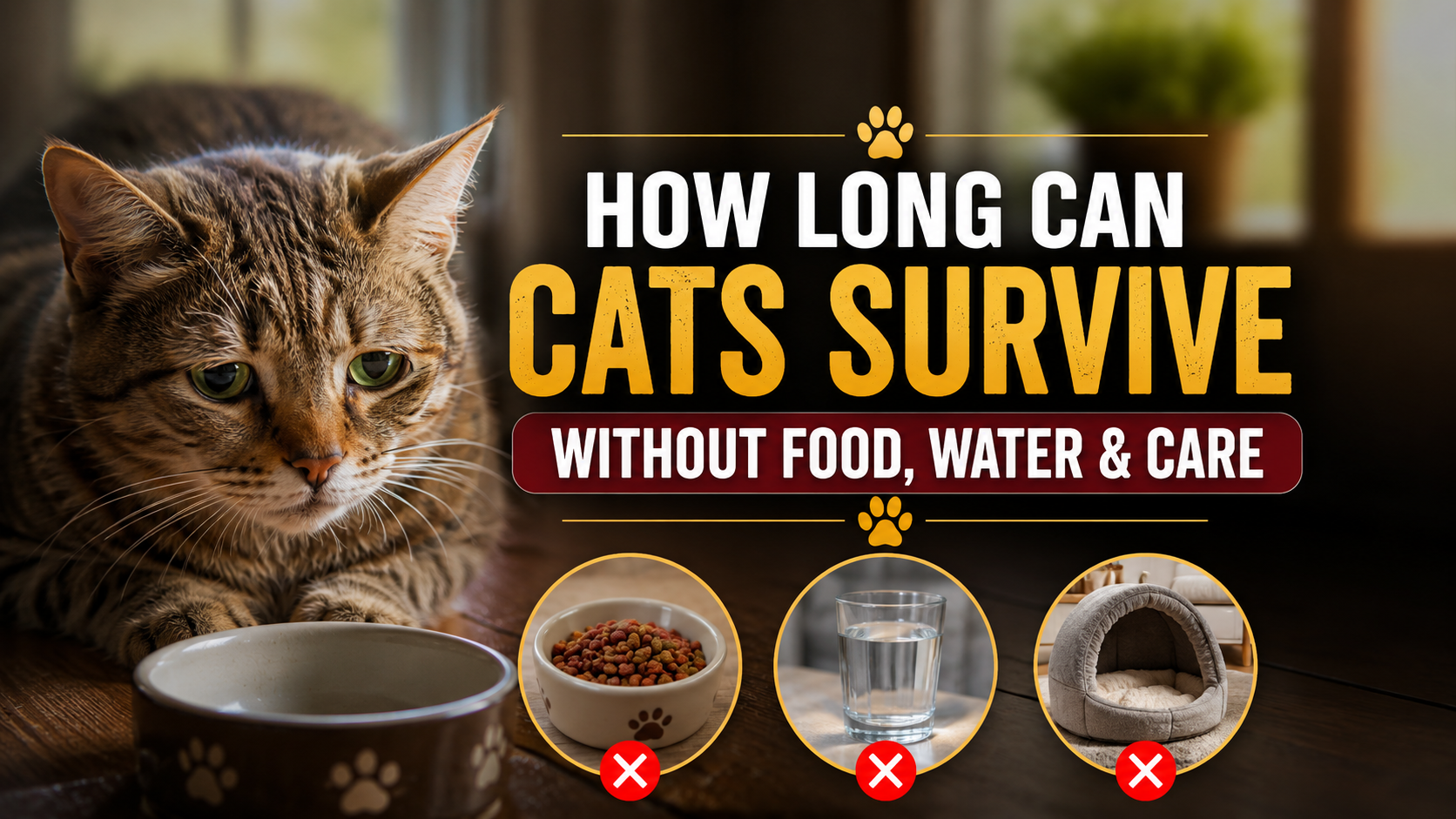
Food availability is one of the most important regulators of a cat’s life. Without regular nutritious food, the body’s energy decreases and the immune system weakens. If you don’t get food for a long time, the cat starvation time decreases rapidly, resulting in a reduced chance of survival. If you have the right food, feline survival time increases significantly.

Fact 2 – Water survival limits

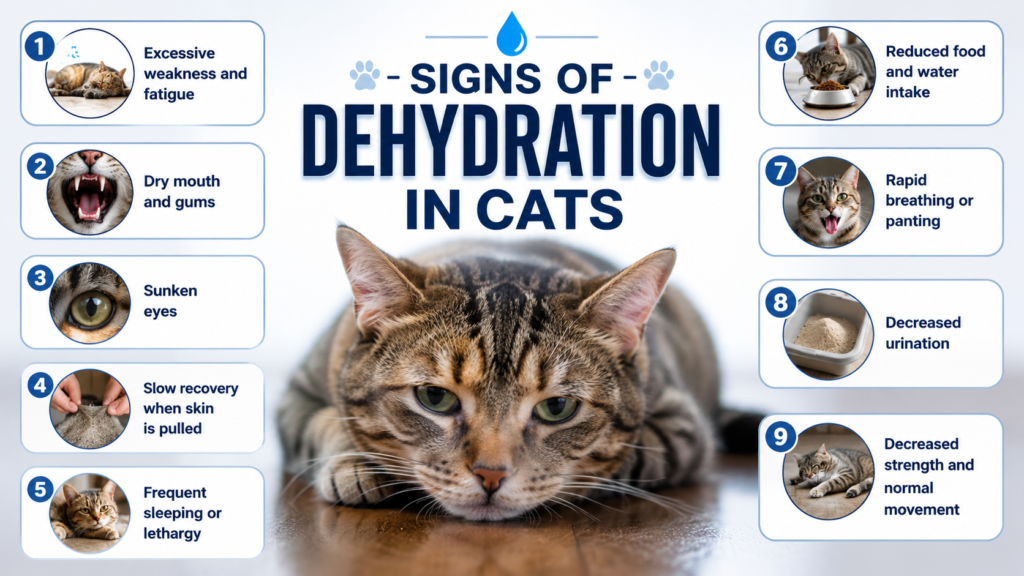
A cat can survive for a very short time without water, because the body’s vital organs stop working. Dehydration quickly increases cat dehydration time and puts life at risk. If there is an adequate water supply, cat hydration importance is maintained and the body remains healthy.

Fact 3 – Weather exposure risks

Extreme weather is a major threat to cats. Excessive heat or cold directly disrupts the normal functioning of the body. Especially for cats living outdoors, how cats survive cold weather or heat waves pose major challenges, which reduces their cat survival time.

Fact 4 – Disease resistance factors

A cat’s immune system has a major impact on their survival. A strong immune system reduces the risk of infection and increases their lifespan. A weak immune system causes cat disease impact to occur more quickly, increasing cat health risks.

Fact 5 – Indoor protection advantage

Cats living indoors are generally safer because they are protected from external risks. Being free from vehicles, predators, or weather damage results in a relatively longer domestic cat lifespan. This ensures cat environmental safety.

Fact 6 – Stray cat survival challenges

The lives of stray cats are much more difficult because they do not receive regular food and safe shelter. In this situation, their stray cat survival rate decreases and they are constantly at risk. Urban cat risks are more common in urban environments.

Fact 7 – Age and health condition impact

Age and physical condition determine the survival ability of cats. Young or old cats are relatively weak, so they quickly get into trouble. In a weak state, cat life expectancy can be reduced.

Fact 8 – Injury survival chances

In the case of injured cats, the situation worsens if they do not receive prompt treatment. Even minor injuries can turn into major problems if infection starts. In this situation, cat injury survival largely depends on prompt treatment and care.

Fact 9 – Human care influence

Human care plays an important role in increasing the lifespan of cats. Their lives are much safer if they receive regular food, cleanliness, and medical facilities. If you follow pet survival tips with good care, cat survival time increases significantly.

Fact 10 – Emergency survival adaptation

Cats’ natural adaptive abilities help them survive in difficult situations. They can adapt to their environment and use hunting or hiding strategies. These survival instincts help cats survive for a while in emergency situations, which ultimately plays a role in determining the real answer to the question how long can cats survive.

Indoor vs Outdoor Cat Survival Comparison

One of the most important factors in determining a cat’s lifespan or cat survival time is its living environment. Whether a cat stays indoors or roams freely outside directly affects its health, safety, and overall cat life expectancy. In reality, how long can cats survive largely depends on the indoor and outdoor lifestyle.

Indoor cats lifespan advantage

Cats who live indoors usually live in a safer environment, where food, water, and shelter are regularly available. This stable lifestyle helps keep their bodies healthy and reduces the risk of disease. As a result, indoor cats have a relatively longer domestic cat lifespan. They are almost completely protected from vehicle accidents, predator attacks, and infectious diseases, which ensures their cat environmental safety. In addition, regular care and monitoring make it easier to follow their feline health guide, making it possible to live a healthy life for a long time.

Outdoor cats survival risks

On the other hand, cats who live outdoors are much more at risk. They are constantly exposed to food shortages, weather changes, and disease outbreaks. This situation greatly increases their cat health risks and makes stray animal survival difficult. Outdoor cat dangers are much higher due to traffic accidents, predators, and inadequate shelter. As a result, their feline survival time is generally shorter than that of indoor cats. In addition, the uncertainty of food and water weakens their bodies, which further reduces their chances of long-term survival.

Environmental factors that affect cat survival

A cat’s lifespan or cat survival time depends largely on its environment. The same cat can survive differently in different environments, because weather, food and security all affect its body and behavior. So in reality, how long can cats survive is directly related to environmental conditions.

Temperature and climate impact

Temperature and climate have a major impact on a cat’s physical condition. Excessive heat can quickly dehydrate the body, while excessive cold creates a risk of hypothermia. Such extreme weather reduces the strength of cats and increases their cat health risks. Without proper shelter, feline survival time can be greatly reduced, because the body fails to maintain a normal temperature.

Food scarcity and hunting ability

Food scarcity is one of the biggest challenges to cat survival. Without enough food, the body becomes weak and the immune system is reduced. Some cats try to survive by hunting, but are not always successful. This uncertainty increases their cat starvation time rapidly and reduces cat life expectancy in the long term.

Urban dangers vs rural survival

Urban and rural environments pose different challenges for cats. Urban cat risks are much higher in cities due to traffic, pollution, and human hazards. On the other hand, predators and food restrictions in rural areas pose problems. These two environments affect stray cat survival rates differently, which ultimately play a significant role in determining a cat’s cat survival time.

Health Conditions That Reduce Survival Time

A cat’s physical health directly determines its lifespan, as various diseases and injuries can quickly reduce cat survival time.

Common diseases affecting survival

Common diseases:

  • Kidney problems: weaken the body in the long term and disrupt the water balance
  • Respiratory tract infections: cause difficulty breathing and reduce energy
  • Heart disease: disrupts blood circulation and creates a life-threatening situation

These diseases gradually weaken the cat’s body. If not treated, their cat life expectancy is greatly reduced and their normal lifestyle is disrupted.

Parasites and infections

  • Flea and tick infestation: Causes anemia and itching
  • Intestinal worms: Reduces nutrient absorption
  • Bacterial infections: Spreads quickly in the body

These types of infections weaken the cat’s immune system. As a result, their cat health risks increase and it becomes difficult to survive in the long term.

Injury and accident risks

  • Road accidents: Broken bones and serious injuries
  • Falls or fights: Causes internal damage
  • Infected wounds: Dangerous if not treated quickly

These types of injuries are life-threatening if not treated quickly. As a result, cat injury survival decreases and overall cat survival time decreases.

Diseases, infections, and injuries shorten the lifespan of cats, so proper care and treatment are very important.

Expert Tips to Increase Cat Lifespan

Proper care is very important to ensure a healthy life for cats, as good habits prolong their cat survival time and improve overall health.

Proper nutrition care

The basics of nutrition care:

  • Balanced diet: Foods rich in protein, vitamins and mineralsFresh water: Prevents dehydration
  • Avoid junk food: Protects against harmful elements

Proper eating habits keep cats’ bodies strong and increase their immunity. This increases their cat life expectancy and maintains daily energy.

Veterinary checkups

Regular health checkups:

  • Yearly health screening: Detects diseases early
  • Vaccination update: Prevents infectious diseases
  • Parasite control: Protects against worms and fleas

Regular visits to the veterinarian prevent small problems from becoming big. This reduces cat health risks and makes it easier to stay healthy in the long run.

Safe indoor environment setup

Safe indoor environment:

  • Clean space: Reduces germs and dustSafe furniture: Reduces risk of injury
  • Stress-free area: Reduces stress

A safe environment keeps cats physically and mentally healthy. This increases their domestic cat lifespan and improves overall feline survival time.

FAQs: How Long Can Cats Survive

How long can a cat live?

The lifespan of a cat depends on its care, diet, and environment. Generally, indoor cats live longer because they are safe. If they are well cared for, their cat survival time is much longer and they can live a long, healthy life.

How long can a cat live without food?

A cat can usually live without food for a few days, but its body quickly weakens. If it does not eat for a long time, the cat starvation time increases and its life is at risk, so regular food is very important.

How long can a cat live without water?

Without water, a cat can survive for a very short time because the body quickly becomes dehydrated. This increases the cat dehydration time and damages the organs, so water must always be kept readily available.

Do indoor cats live longer?

Yes, indoor cats are generally safer and have a longer lifespan. Because they are away from accidents and diseases, their domestic cat lifespan is relatively long.

Why do outdoor cats live less?

Outdoor cats are exposed to many risks, such as cars, diseases, and lack of food. Because of this, they have more outdoor cat dangers and a shorter lifespan.

What are the common diseases of cats?

Kidney problems, respiratory problems, and infections are the most common diseases in cats. These quickly weaken the body and increase cat health risks, resulting in a shorter lifespan.

How is the immune system of cats?

Healthy cats have a good immune system, but it decreases if they are malnourished or sick. A strong immune system helps them increase their feline survival time.

How long can cats live on the streets?

Street cats usually live in uncertain environments, so their lifespan is shorter. The lack of food and security greatly reduces the survival rate of stray cats.

How do cats survive in cold weather?

Cats try to keep their bodies warm and seek shelter. However, extreme cold is dangerous for them and how cats survive cold weather depends a lot on the environment.

How do cats survive in the heat?

In hot weather, cats drink water and stay in the shade. But overheating weakens the body, which increases cat health risks.

How long do cats survive after an injury?

The survival of a cat depends on the type of injury and treatment. If not treated quickly, the infection spreads and cat injury survival decreases.

Does the age of the cat affect survival?

Yes, age is very important. Young or old cats are more vulnerable, so their cat life expectancy may be relatively short.

What environment is best for cats?

A safe, clean and indoor environment is best. This protects cats from diseases and accidents and increases their cat survival time.

Can cats survive on their own?

Cats have a natural survival instinct, but it is difficult to survive alone all the time. Lack of food and security reduces their feline survival time.

How to increase the lifespan of a cat?

Ensuring the right food, regular treatment, and a safe environment increases the lifespan of a cat. This makes their overall cat survival time longer and healthier.

Conclusion: Cat Survival Truth Every Owner Must Know

The lifespan of a cat or how long can cats survive is not limited to any specific number, but it completely depends on food, health, environment and quality of care. A safe and well-cared for cat can live a long and healthy life, but in a risky environment its lifespan decreases much faster. Therefore, ensuring proper nutrition, regular treatment and a safe environment can significantly increase the cat’s survival time and it can enjoy a long, healthy and happy life.

.

Related Articles

Dog Diarrhea Treatment Helps Restore Your Dog’s Digestive Health Faster

What Are Dog Vomiting Causes and Why Is It Important to Understand Them?

Dog Fever Symptoms – Early Warning Signs Every Pet Owner Must Know

Pet Health Care: A Complete Guide to Your Pet’s Healthy Life in 2026

Why Advanced Obedience Training is Important Now

Dog Training Guide: Start Successful Training in an Easy Way