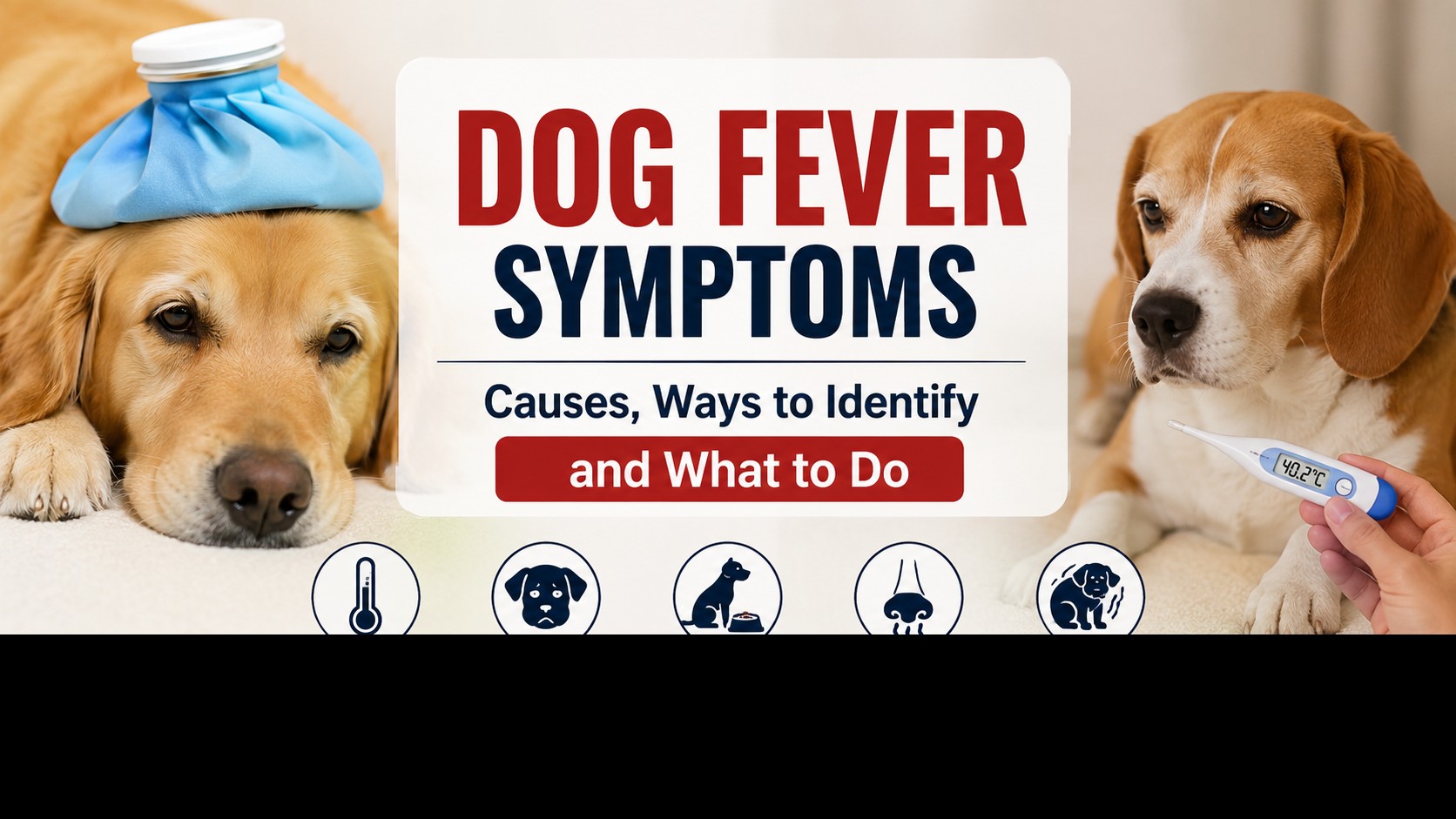
Dog Fever Symptoms – Early Warning Signs Every Pet Owner Must Know

Dog Fever Symptoms

Dog fever symptoms are an important health signal that starts in the dog’s body, which often indicates an internal infection or illness. When a dog’s body becomes hotter than normal, it is not just a fever, but can be a major health warning. Many times, due to the lack of pet health care, owners do not recognize the early signs, resulting in the problem becoming serious. In this article, you will learn to easily recognize, understand and take quick action to keep your beloved pet safe.

What Are Dog Fever Symptoms and Why Early Detection Matters

Dog fever symptoms usually appear as changes in body and behavior when a dog’s body temperature rises above normal and the body is trying to fight off an infection or internal problem. A healthy dog’s temperature is usually between 101°F and 102.5°F, but anything higher than that is considered high body temperature in dogs and requires immediate attention. Canine fever signs often appear slowly, so it’s important to notice changes early, as they can be early warning signs of more serious dog illness symptoms.

Warm Nose and Hot Ears in Dogs

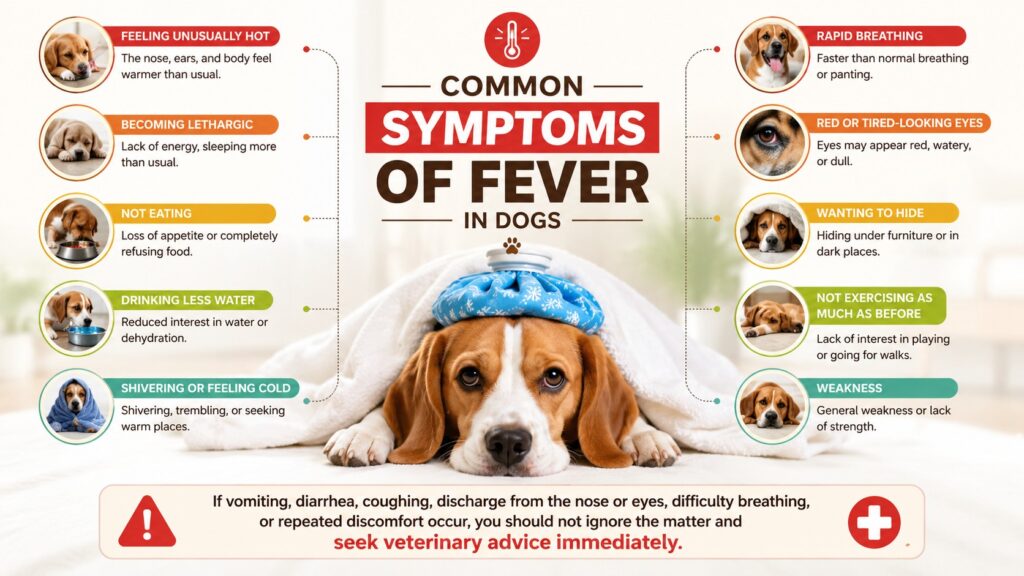
At the beginning of a fever, many dogs’ noses, ears, or paws become unusually warm, which is an early indication of a change in dog temperature. This is usually due to an infection or internal reaction, and many owners ignore it, even though it is an important part of canine fever signs.

Shivering and Body Weakness in Dogs

A fever causes the body to shiver and the dog becomes weak as the body uses up energy to fight off the infection. This condition is characterized by lethargy and tiredness, which are often associated with dog illness symptoms and require prompt care.

Loss of Appetite and Dehydration Symptoms

During a fever, dogs usually reduce their food and water intake, which can lead to dog dehydration symptoms. Ignoring this condition can make the body weaker and the problem can become more serious if not treated quickly.

Red Eyes and Fast Breathing Problems

When there is inflammation in the body, the eyes can become red and breathing can become rapid, which is a clear sign of high body temperature in dogs. Such changes should never be assumed to be normal, as they can indicate serious dog illness symptoms and prompt action is essential.

Why Dog Fever Symptoms Matter for Long-Term Dog Health Protection

Dog fever symptoms are not just a temporary problem, but rather an important signal of a larger health risk going on inside the body. Many times, fever itself is not a disease, but a warning signal that something is wrong inside and needs immediate attention. Therefore, understanding it correctly and taking timely measures plays a very important role in protecting the dog’s health in the long term.

Fever May Signal Dangerous Infections

Fever is often caused by serious infections, such as bacterial infection, viral disease, tick-borne illness or internal inflammation. These conditions can spread quickly and affect different parts of the body. Therefore, it is very important to recognize dog infection symptoms in time, because it warns of life-threatening conditions before they become life-threatening.

Delayed Treatment Can Increase Health Risks

If fever is ignored for a long time, internal organs of the body can be damaged and the immune system weakened. This can reduce the dog’s immunity and cause life-threatening complications. Therefore, early treatment is very important to maintain pet wellness.

Early Detection Helps Faster Recovery

Early detection helps dogs recover faster, making treatment easier. This not only saves time but also reduces costs. Early care helps keep the canine immune system stronger and reduces future risks to a great extent.

This entire process is part of a larger pet health care plan that helps ensure your dog’s long-term health and disease prevention.

Step-by-Step Guide to Handle Dog Fever Symptoms Safely at Home

Dog Fever Symptoms

When dog fever symptoms occur, quick home care can often stabilize a dog’s condition, but it’s important to follow each step carefully. This guide is designed to help you take the first steps safely.

Step 1 — Check Your Dog’s Body Temperature Correctly

The most reliable way to tell if your dog has a fever is to take his temperature correctly. A digital pet thermometer is a must, as it gives accurate readings and helps to avoid misconceptions. A temperature over 103°F is generally considered a fever, which indicates a need for immediate attention.

Safe Temperature Checking Tips

  • Use lubrication
  • Keep the dog calm
  • Record temperature changes

Following these steps correctly will make dog temperature checks safer and less stressful for your dog. It is especially important to take a quick and careful check for fever in puppies, as young dogs’ bodies can change quickly. Using a good pet thermometer will help you get accurate results and make it easier to take timely action.

Step 2 — Observe Behavioral Changes Carefully

Not only body temperature, but also the dog’s behavior plays a very important role in understanding dog fever symptoms. When a problem starts, the dog’s daily habits gradually change and observing them can quickly give an idea of ​​the condition. In particular, sleeping pattern, appetite, energy level and movement pattern should be monitored regularly.

Warning Behaviors to Watch

  • Excessive sleeping
  • Refusing food
  • Hiding behavior
  • Lack of energy

When such changes occur, it often indicates a lethargic dog condition, where the dog is much less active than usual. At the same time, tired dog symptoms become evident and in many cases sick dog behavior is seen, which can be a sign of an internal infection or fever in the body.

Step 3 — Provide Clean Water and Hydration Support

The body loses water and minerals rapidly during a fever, so ensuring adequate hydration is very important. Dogs will drink less water than usual when they are sick, which can further weaken their bodies. For this reason, it is important to provide clean, safe water regularly and try to encourage them to drink.

Ways to Encourage Drinking

  • Fresh cold water
  • Ice cubes
  • Wet food options

Following these methods can greatly reduce dog dehydration symptoms and maintain the body’s water balance. Ensuring proper hydration for dogs speeds up the recovery process and helps maintain the body’s energy. In many cases, this step serves as an important part of the dog fever treatment process, because without water deficiency, the body has a chance to recover faster.

Step 4 — Reduce Body Heat Naturally and Safely

It is important to gradually reduce excess body heat during a fever, as sudden changes in temperature can cause stress in the dog’s body. For this, gently wiping the paws, ears, and parts of the body with a wet and cold cloth can provide relief and help regulate the body temperature.

Avoid Dangerous Cooling Methods

  • Never use ice baths
  • Avoid extremely cold water

Such wrong methods can shock the body and worsen the condition. Instead, the method of cooling a feverish dog should be followed slowly and safely, which helps to keep the body stable. This works as an effective natural fever relief for dogs method and makes the recovery process safer.

Step 5 — Contact a Veterinarian When Symptoms Worsen

If your dog’s fever persists or does not improve, seek professional help immediately. Generally, a fever that lasts more than 24 hours or reaches a temperature of 105°F is a sign of a serious condition. At this stage, home care may not be enough and you may need to see a doctor for proper treatment.

Emergency Warning Signs

  • Seizures
  • Vomiting
  • Difficulty breathing
  • Collapse

These symptoms indicate a very dangerous condition and require immediate emergency dog ​​care. Seeking veterinary advice on time can help control severe dog fever and save the animal’s life. It is an important part of a pet health care regimen that ensures safe and effective long-term results.

Best Practices to Improve Dog Fever Symptom Recovery Naturally

If dog fever symptoms appear quickly, proper care and regular habits will help your dog recover much faster. Not only treatment, but daily hygiene, diet, and preventive care work together to strengthen the body. Following these steps will also increase your dog’s immunity in the long run.

Maintain a Clean Living Environment

A clean environment is very important for your dog’s well-being, as bacteria and infections can easily spread from unclean areas. Therefore, you should regularly clean bedding, wash food bowls, and keep the surrounding area disinfected.

This practice helps maintain dog immune health and reduces the risk of re-infection.

Feed Nutritious Immune-Supporting Foods

The right food gives your dog strength and ensures a speedy recovery. Foods rich in protein and vitamins help boost your dog’s immune system.

Following a healthy dog ​​diet will strengthen your dog’s body and help your dog recover faster from illness, which will improve overall pet health.

Keep Vaccinations Updated

Regular vaccinations protect dogs from many types of serious infections, which can be the main cause of fever. Getting vaccinated on time greatly reduces the risk of complex diseases in the future.

This is an important part of preventive pet care, which ensures long-term health protection.

Schedule Regular Veterinary Checkups

Regular vet checkups detect unknown problems inside the body early, which helps prevent major illnesses in the future. Many times, minor symptoms can be identified in advance.

This practice works as part of canine wellness tips and helps maintain the overall health of the dog.

Common Mistakes to Avoid When Treating Dog Fever Symptoms

Many times, when a dog has a fever, owners unknowingly make mistakes that can make the condition worse. Without proper care, small problems can turn into major health risks, so it is very important to follow each step carefully.

Giving Human Medicines Without Veterinary Approval

Giving human medicines to dogs can be very dangerous, as their bodies react differently. It can cause poisoning and worsen the condition. Therefore, it is necessary to seek expert advice before starting any treatment.

This mistake is often caused by using unsafe dog medicine and increases dog fever risks.

Ignoring Mild Fever for Too Long

Many people do not pay attention to a slight fever, but even minor symptoms can be an indication of a major illness. If timely measures are not taken, the problem gradually becomes complicated.

Such pet emergency mistakes can create serious health risks in the future.

Using Unsafe Cooling Methods

Using cold water or ice all at once can shock the body and make the condition worse. Cooling the body gradually is always the safest method.

Skipping Professional Veterinary Care

While home care is helpful, it is important to seek professional veterinary care in serious cases. Delaying treatment can further spread the disease and make recovery more difficult.

Expert Tips to Reduce Dog Fever Symptoms Faster and Safer

Proper care and regular monitoring during fever are very important for the speedy recovery of the dog. Following some expert level care helps in stabilizing the body quickly and reduces complications. These steps not only help in recovery but also in future health protection.

Monitor Temperature Every Few Hours

Monitoring the body temperature regularly can help in understanding whether the condition is improving or deteriorating. This makes it easier to take timely decisions and take medical measures as needed. This is an important part of dog recovery tips.

Reduce Stress Around Your Dog

A calm and safe environment reduces the dog’s mental stress and helps the body recover faster. Avoiding excessive noise or crowds reduces anxiety. This is an effective way of canine stress reduction, which speeds up the recovery process.

Use Easily Digestible Foods During Recovery

The body is weak during fever, so light and easily digestible food should be given. This reduces the pressure on the stomach and the body gets the necessary energy. This practice works as part of dog recovery tips and helps in regaining energy.

Watch for Recurring Fever Episodes

If fever occurs repeatedly, it could be a sign of a chronic dog illness. In such a situation, it is important to get a thorough checkup, as there may be a hidden health problem behind it. Taking prompt action can help avoid major complications.

Natural Home Remedies That May Help Mild Dog Fever Symptoms

Some natural home remedies for mild fever can help your dog feel comfortable and gradually stabilize his body. However, these are only useful in the initial stages, and if the condition worsens, you must consult a doctor.

Cool Damp Cloth Therapy

Using cool damp cloths on the feet and ears can help reduce excess body heat and make your dog feel a little better. This is a simple but effective way to help bring the body back to normal temperature.

Bone Broth for Hydration and Nutrition

A warm bone broth encourages your dog to drink water and provides the body with the nutrients it needs. It helps restore strength in a weakened state and reduces stress on the digestive system.

Proper Rest and Quiet Recovery Areas

Dogs recover faster in a calm and comfortable environment, as less noise and less stress help the body to rest. Adequate sleep boosts the body’s immune system and speeds up recovery.

Monitoring Appetite and Digestion Daily

It is important to monitor changes in appetite and digestion on a regular basis, as these are important indicators of the body’s internal state. If digestive problems occur, it is a sign that an infection or illness is developing and immediate action is needed.

Dog Fever Symptoms Caused by Common Infections and Diseases

Dog fever symptoms are often caused directly by a specific infection or disease, where the body reacts against internal germs. In such cases, fever is just a symptom, the main problem is the internal infection or inflammation, which can become complicated if not identified quickly.

Tick-Borne Diseases in Dogs

Diseases spread by ticks or insects can quickly cause infection in dogs, which is one of the most common causes of fever. These infections weaken the body and cause excessive fatigue, so it is very important to take preventive measures in time.

Respiratory Infections and Fever

When a dog has a respiratory infection, coughing, shortness of breath, and fever may occur together. Such problems can spread quickly and disrupt the body’s normal functions, so prompt treatment is necessary.

Digestive Infections and Stomach Problems

Stomach infections often cause vomiting, diarrhea, and fever. In this condition, the body can quickly become dehydrated and weakness increases, so careful care is essential.

Ear Infections and Internal Inflammation

Ear infections or internal inflammation can also cause a high temperature. Dogs may shake their heads, itch their ears, and express discomfort, which should be identified and treated promptly.

How Veterinarians Diagnose Dog Fever Symptoms Accurately

It is very important to determine the exact cause of a fever in a dog, because it is not just the temperature, but there can be various types of infections or internal problems behind it. An experienced veterinarian examines the dog step by step to find the main problem and makes a treatment plan accordingly.

Physical Examinations and Temperature Checks

In the first step, the vet checks the dog’s overall body condition, heartbeat, breathing, and temperature. Through this observation, it is initially understood whether there are any abnormal changes in the body and what kind of problem there may be.

Blood Tests and Infection Screening

Blood tests are used to determine whether there is a bacterial or viral infection. This analysis gives a clear idea of ​​​​the internal condition of the body and helps determine the correct treatment.

X-Rays and Imaging Procedures

X-rays or other imaging tests help to show the condition of the internal organs of the body. This can easily identify internal inflammation, injury, or hidden problems.

Urine and Stool Testing for Hidden Diseases

Urine and stool testing is used to detect parasites, bacteria, or other hidden diseases. These tests play an important role in finding the root cause of the disease and ensuring proper treatment.

When Dog Fever Symptoms Become a Medical Emergency

In some cases, a rise in body temperature beyond the normal range of illness becomes a signal that requires immediate medical attention. Delaying treatment in this situation can damage the dog’s vital organs, so it is very important to understand the situation and take quick action.

Extremely High Fever Above 105°F

When the body temperature rises above 105°F, it indicates a very dangerous condition. At this stage, the internal organs of the body can begin to be damaged rapidly and the situation becomes serious if not treated immediately.

Seizures or Loss of Consciousness

If the dog suddenly starts having seizures or loses consciousness, it indicates a neurological problem. If such symptoms occur, emergency care is required immediately, as it can be life-threatening.

Severe Dehydration and Refusal to Drink

If a dog does not drink water and becomes excessively dehydrated, the condition can quickly worsen. This condition disrupts the body’s normal functions and can be fatal if not treated promptly.

Continuous Vomiting or Bloody Diarrhea

Continuous vomiting or bloody diarrhea can be a sign of a serious digestive system problem. It weakens the body quickly and immediate treatment is very important.

How to Prevent Dog Fever Symptoms Before They Start

Prevention is always better than cure, so taking proper care before they start is the most important thing to keep your dog healthy. Following regular habits, a healthy environment, and proper diet can help prevent many types of infections and fever, which can keep your dog’s overall health good in the long run.

Maintain Proper Vaccination Schedules

Regular vaccinations protect dogs from various serious infections, which can be one of the main causes of fever. Getting vaccinated on time keeps the body’s immune system strong and reduces the risk of disease to a great extent.

Protect Dogs From Fleas and Ticks

Fleas and ticks can spread various diseases, which cause fever and weaken the body. Therefore, regular parasite control reduces the risk of infection and keeps the dog healthy.

Keep Living Spaces Clean and Safe

A clean environment helps reduce the spread of germs and bacteria. Keeping your home clean regularly prevents your dog from getting sick easily and keeps your health good.

Feed Balanced Nutritional Meals Daily

Proper and nutritious food increases the body’s immunity. Feeding a balanced diet every day keeps the dog’s body strong and prevents various infections from attacking easily.

Dog Fever Symptoms in Puppies Compared to Adult Dogs

The body’s response varies greatly depending on the age of the dog, so the symptoms of fever do not appear in the same way at all ages. Especially between small dogs and adult dogs, there are big differences in symptoms, speed, and level of risk, which is very important to understand correctly.

Puppies May Show Faster Symptom Progression

Young dogs are susceptible to illness because their canine immune systems are not yet fully developed. Fevers in puppies can quickly escalate, and even minor infections can lead to serious problems.

Appetite Loss in Puppies Is More Dangerous

Puppies lose water and energy quickly, so they can quickly deteriorate if they stop eating. In this situation, dog dehydration symptoms can appear quickly, and the risk increases if immediate care is not taken.

Adult Dogs Often Hide Pain Better

Adult dogs often hide their illness, making sick dog behavior difficult to understand. It is important to watch for subtle changes such as tiredness or lethargy, as these can be early warning signs.

Immediate Veterinary Care Is Crucial for Puppies

A young dog’s body is very sensitive, so it is important to seek veterinary advice quickly. Delaying treatment can quickly lead to serious dog illness symptoms and make recovery difficult, so early treatment is always the safest.

Seasonal Weather Changes and Dog Fever Symptoms

Seasonal changes have a direct impact on a dog’s body, which can often lead to dog fever symptoms or other health problems. Changes in weather temperature, humidity, and environmental conditions can weaken the body’s immune system, increasing the risk of infection.

Summer Heat Can Trigger Overheating Problems

A dog’s body can quickly overheat in hot weather, which can lead to heatstroke or high body temperature. This condition can cause shortness of breath, weakness, and excessive fatigue, so it is important to ensure a cool environment and adequate water.

Winter Infections Increase Fever Risks

Cold weather in winter can weaken the body’s immune system, which increases the risk of various infections. During this time, fever can occur from viral or bacterial infections and the dog can easily get sick.

Rainy Seasons Increase Parasite Exposure

During the rainy season, the number of ticks, mosquitoes, and other parasites increases in the humid environment, which can spread various diseases. When these parasites enter the body, infection occurs and various dog illness symptoms including fever can occur.

Indoor Air Quality Also Affects Dog Health

If the air in the house is not circulated properly or if the environment is unhealthy, respiratory problems can develop. This can increase coughing, shortness of breath, and infections, which indirectly increases the risk of fever and affects overall dog health.

FAQs

What are the first dog fever symptoms owners notice?

At the beginning of a dog fever, the body usually feels hot, weakness appears, the desire to eat decreases and the dog becomes unusually calm. Sometimes, shivering and tired dog symptoms are seen as canine fever signs. A quick dog temperature check can help you understand the problem quickly and get timely treatment.

How can I check dog temperature safely at home?

It is best to use a digital pet thermometer to check dog temperature safely at home. Normal dog temperature is usually 101°F to 102.5°F. Anything higher than this is considered high body temperature in dogs. If you check slowly and carefully, the dog will not be scared and the results will be accurate.

What causes high body temperature in dogs naturally?

Infections, viruses, hot weather, dehydration, and internal inflammation can cause high body temperature in dogs. Fever is often seen with dog infection symptoms. It is important to identify the cause quickly, because prolonged fever can weaken the canine immune system.

Can dog fever symptoms go away without treatment?

Mild fever symptoms may subside on their own in some cases, especially with temporary fatigue or mild infections. However, in severe dog fever or chronic fever, it is important to seek veterinary advice. Because if neglected, dog illness symptoms can become more complex and emergency dog ​​care may be required.

Why does my dog ​​feel weak and tired during fever?

During fever, the body fights infection, so a lethargic dog condition is seen. Tired dog symptoms include excessive sleepiness, lack of exercise, and weakness. Hydration for dogs and a healthy dog ​​diet are very important at this time, as they act as quick dog recovery tips.

Are fevers in puppies more dangerous than adult dogs?

Yes, fevers in puppies are more dangerous because young dogs become dehydrated quickly. Their canine immune system is not yet fully developed. Therefore, if a fever in puppies occurs, veterinary advice should be sought quickly. Severe dog fever can be fatal if left untreated.

What dog illness symptoms appear with fever most often?

Common dog illness symptoms include reluctance to eat, shivering, weakness, hot body, red eyes, and rapid breathing. Sometimes sick dog behavior is also seen. If these symptoms persist, emergency dog ​​care may be required and prompt treatment should be sought.

How do dog dehydration symptoms become dangerous?

Dog dehydration symptoms include dry mouth, weakness, sunken eyes, and excessive fatigue. The problem increases rapidly if you drink less water during a fever. If hydration for dogs is not done properly, the body’s normal functions are disrupted and dog fever risks increase significantly.

What is the best dog fever treatment at home?

Mild dog fever treatment includes rest, cool wet cloths, and plenty of water. Cooling a feverish dog should be done slowly. However, using human medicine is dangerous. If the fever is prolonged, treatment should not be done without veterinary advice.

Can unsafe dog medicine increase fever risks?

Yes, unsafe dog medicine can cause poisoning in dogs. Many people mistakenly give human medicine to dogs, which increases dog fever risks. Therefore, it is always safe to seek veterinary advice before starting any dog ​​fever treatment.

Why does my dog ​​refuse food during fever?

The body becomes weak during fever, so many dogs avoid food. Appetite loss is a common sick dog behavior. It is best to feed a healthy dog ​​diet and soft food during this time. If food is not eaten for a long time, emergency dog ​​care may be necessary.

How does canine immune system fight fever naturally?

The canine immune system works against infections in the body and tries to destroy germs by creating a fever. However, if the fever lasts for a long time, the body becomes weak. Therefore, preventive pet care and proper nutrition help keep the dog’s immune system strong.

What are common dog infection symptoms with fever?

Dog infection symptoms include coughing, vomiting, diarrhea, red eyes, and a warm body temperature. Sometimes, a fever is also caused by a chronic dog illness. Getting tested quickly can help prevent major complications, and dog recovery tips can help you recover faster.

How can cooling a feverish dog help recovery?

Cooling a feverish dog helps to slowly reduce excess body heat. Applying cool, wet cloths to the paws and ears can provide relief. However, ice or extremely cold water should not be used, as this can cause shock.

When should emergency dog ​​care be necessary?

If a severe dog fever exceeds 105°F, breathing is difficult, seizures occur, or the dog becomes unconscious, emergency dog ​​care is necessary. Ignoring these dog disease warning signs can be life-threatening. Seek veterinary advice quickly.

Can pet wellness reduce future fever problems?

Yes, maintaining regular pet wellness can reduce the risk of future fevers. Balanced diet, vaccinations, clean environment and regular health checkups are important as canine wellness tips. These keep the canine immune system strong and reduce the risk of infection.

Why is hydration for dogs important during fever?

Hydration for dogs is very important during fever because the body loses water quickly. If you do not get enough water, dog dehydration symptoms appear. Water helps control body temperature and makes dog recovery tips effective quickly.

What healthy dog ​​diet helps during fever recovery?

Soft foods, boiled chicken, rice and easily digestible foods are good as a healthy dog ​​diet during fever. These give the body strength and improve dog immune health. Foods with excess oil or spices should be avoided.

Can chronic dog illness cause repeated fever?

Yes, chronic dog illness can cause repeated fever. Kidney disease, infections or autoimmune problems can cause recurring fever. Therefore, a complete medical examination is necessary if repeated dog fever symptoms are seen.

How does preventive pet care stop fever risks?

Preventive pet care such as vaccinations, parasite control and regular vet checkups prevent infection. This reduces dog fever risks and improves pet wellness in the long term. A healthy environment also helps reduce infection.

Why does sick dog behavior change suddenly?

During a fever, the body becomes weak, so sick dog behavior changes suddenly. Many dogs want to be alone, move less and sleep more. These can be part of dog illness symptoms and should not be ignored.

Can veterinarian advice prevent severe dog fever?

Yes, early veterinary advice can help you start treatment before severe dog fever develops. Identifying early dog ​​fever symptoms makes treatment easier and recovery faster.

What are natural fever relief for dogs methods?

Rest, plenty of water, cool clothes, and a quiet environment are effective natural fever relief for dogs. It is also important to maintain hydration for dogs. However, relying solely on home remedies is not safe for severe fever.

How do dog recovery tips help after fever?

Dog recovery tips such as rest, a balanced diet, plenty of water, and a stress-free environment help you recover faster. Following canine wellness tips also reduces the risk of future illness.

What dog disease warning signs should never be ignored?

Dog disease warning signs include overheating, shortness of breath, seizures, vomiting, weakness, and dehydration. If these symptoms appear, emergency dog ​​care should be sought, as the condition can become serious if left untreated.

Conclusion: Understanding Dog Fever Symptoms for Better Pet Health Care and Faster Recovery

Understanding dog fever symptoms is very important for every pet owner, as it can pose serious health risks if not treated on time. Proper observation, quick dog temperature check, and following the necessary pet health care can keep your dog safe. Therefore, dog fever symptoms should never be neglected, as early action ensures long-term well-being and brings about a speedy recovery.

Related Articles

Dog Diarrhea Treatment Helps Restore Your Dog’s Digestive Health Faster

What Are Dog Vomiting Causes and Why Is It Important to Understand Them?

Dog Fever Symptoms – Early Warning Signs Every Pet Owner Must Know

Pet Health Care: A Complete Guide to Your Pet’s Healthy Life in 2026

Why Advanced Obedience Training is Important Now

Dog Training Guide: Start Successful Training in an Easy Way