

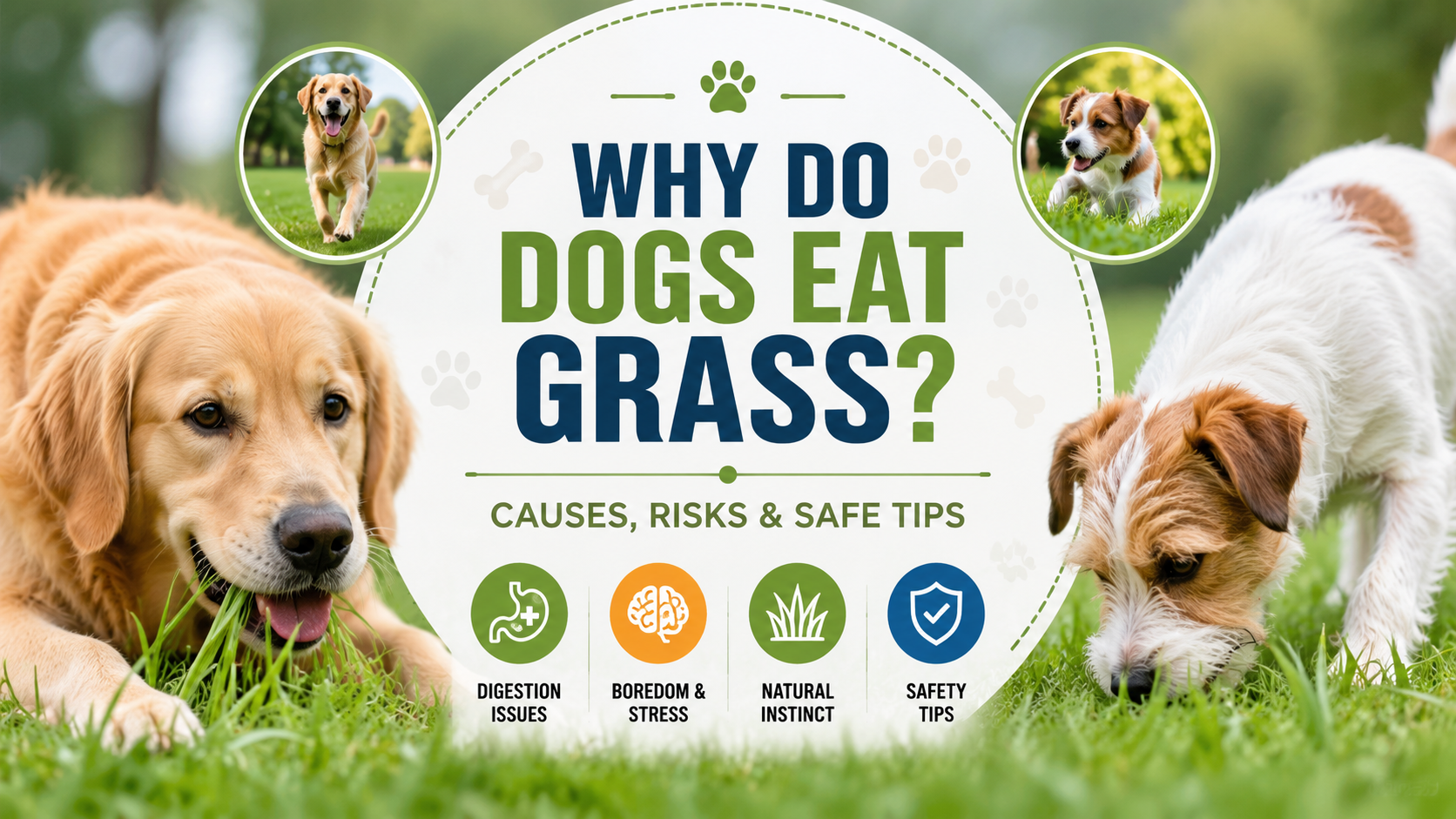
Dogs eat grass for a variety of reasons. Sometimes it’s a natural behavior, as dogs eat grass out of instinct. Some dogs may eat grass to induce vomiting when they have an upset stomach or digestive issues, so that their stomachs feel light. In some cases, they are attracted to grass even when their diet lacks fiber.
Many dogs also eat grass out of boredom, stress, or lack of exercise. Some dogs also enjoy the taste and texture of grass. However, in most cases, it is not dangerous, unless the grass contains toxic chemicals or pesticides.
Is It Normal Behavior for Dogs?
Yes, eating grass is normal behavior for dogs. Many dogs eat grass occasionally, and it is not always a sign of illness. This can be due to their instincts, a mild digestive problem, or sometimes just boredom and habit. If your dog is healthy, not vomiting much, and is behaving normally, eating grass is usually nothing to worry about.
Natural Instinct Behind Grass Eating
Dogs have an innate instinct to eat grass. In the wild, their ancestors ate a variety of plants and grasses along with their food. That instinct still exists in many dogs today. Sometimes dogs eat grass out of curiosity or because of the smell and taste of the environment. This is part of their natural behavior and in most cases there is nothing to be afraid of.
Upset Stomach and Digestion Issues
Sometimes dogs eat grass because of an upset stomach or digestive issues. Many people find that eating grass makes their stomach feel lighter and less uncomfortable. Some dogs vomit after eating grass, which can help relieve their stomach discomfort.
However, if they experience problems such as repeated vomiting, diarrhea, or a loss of interest in food, this could be a sign of a larger problem and it is best to consult a veterinarian.
Do Dogs Eat Grass to Make Themselves Vomit?
Yes, some dogs eat grass to induce vomiting. When dogs have an upset stomach or an obstruction, they may try to stimulate their stomach by eating grass. This often relieves the pressure in their stomach and makes them feel better. However, not all dogs vomit after eating grass. Many dogs simply eat grass as a habit or natural behavior without any problems. So eating grass does not always mean that they are sick.
Nutritional Deficiency and Fiber Needs
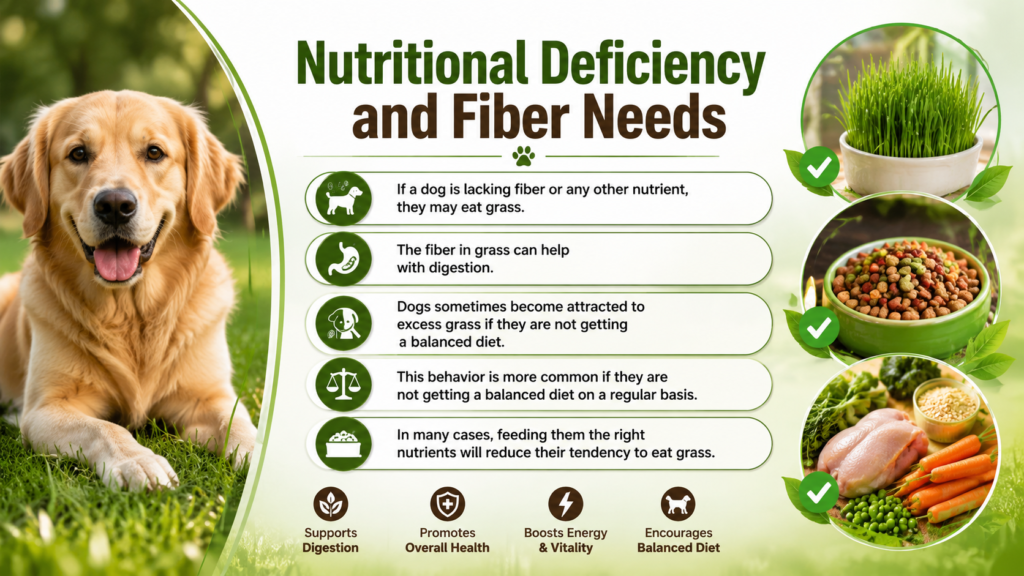
- If a dog is lacking fiber or any other nutrient, they may eat grass.
- The fiber in grass can help with digestion.
- Dogs sometimes become attracted to excess grass if they are not getting a balanced diet.
- This behavior is more common if they are not getting a balanced diet on a regular basis.
In many cases, feeding them the right nutrients will reduce their tendency to eat grass.
Boredom, Anxiety, and Stress Reasons
Many dogs can experience boredom, stress or anxiety. When they do not get a chance to walk or have any explanation, they behave in a way that keeps them busy, such as eating grass. This is often seen as an “adaptive behavior” that helps them reduce stress.
Taste and Texture Preference
Some dogs like the taste and texture of grass. Especially new or soft grass increases their curiosity. This is often seen as a general preference or habit, not because of hunger or desire.
Is Grass Eating Safe for Dogs?
Generally, eating grass can be attempted if there are toxic chemicals used in the grass, which may or may not be harmful. However, eating grass should not be done at all if they vomit repeatedly. In such cases, veterinary advice should be sought.
Risks: Pesticides, Chemicals, and Parasites
- Many grasses are sprayed with pesticides or chemicals, which can be toxic to dogs.
- Eating grass that has been sprayed with chemicals can cause vomiting, diarrhea, or upset stomach in dogs.
- Outdoor grass may contain parasites or eggs that can cause infections.
- Grass along the roadside or in parks contains a lot of dirt, bacteria, and pollution.
- Repeatedly eating this type of grass can increase your dog’s health risks.
- It’s best to avoid eating grass outside of a safe environment.
Puppies Eating Grass (Special Case)
Puppies or young puppies eat grass mainly because of their curiosity and nature of learning new things. At this time, they explore everything around them with their mouths, so eating grass is also natural. In many cases, it also helps to reduce mild itching or discomfort during their teething. However, if the puppy’s habit of eating grass becomes excessive or vomiting/diarrhea occurs, you must be careful and consult a veterinarian if necessary.
When Should You Worry as an Owner?
- Repeated or excessive grass eating by dogs can be a cause for concern.
- Be wary if your dog regularly vomits or has diarrhea after eating grass.
- If your dog is not eating or is weak.
- If there is unusual behavior (restlessness, lethargy) after eating grass.
- If there is excessive salivation or signs of abdominal pain.
- If in doubt, consult a veterinarian immediately.
Signs You Need to Visit a Vet
Dogs eating grass is not always dangerous, but some symptoms can indicate a serious medical problem. It is important to take them to the vet immediately if these symptoms occur.
- Repeated vomiting: If your dog vomits regularly after eating grass, it could be a sign of serious stomach problems or poisoning.
- Diarrhea or stomach upset: If diarrhea or stomach pain persists for a long time, immediate medical attention is needed.
- Reluctance to eat: If your dog stops eating or becomes weak, this could be a sign of illness.
- Excessive lethargy: Sleeping more than usual, being weak, or not exercising is a concern.
- Excessive salivation from the mouth: This could be due to eating something toxic or stomach problems.
- Abdominal swelling or pain: If you feel unusual swelling or pain when you touch your stomach, you should take him to the vet immediately.
With proper care and monitoring, it is easy to keep your dog’s grass eating habit safe and under control.
How to Stop or Reduce Grass Eating
To reduce your dog’s grass-eating habit, you should first pay attention to his diet and daily care. Feeding a balanced and nutritious diet often reduces this habit. Regular exercise, walks, and adequate time can help your dog feel less bored or stressed. When taking him outside, try to keep him in a chemical-free and clean area. Also, if your dog starts eating grass, it can be helpful to keep him busy with other activities such as toys or attention.
Healthy Diet Tips for Better Digestion
- Dogs should always be given a balanced and nutritious diet.
- Digestion is better if there is enough fiber in the food.
- It is important to drink clean and pure water regularly.
- It is better to avoid giving extra oily food or any new food suddenly.
- Giving a specific amount of food at the right time reduces stomach problems.
- Good quality dog food should be selected as per the advice of a veterinarian.
- Regular walks and light exercise help maintain good digestion.
Common Myths About Dogs Eating Grass
There are many misconceptions about dogs eating grass. But in reality, not all dogs eat grass for the same reason, and it is not always a sign of illness.
- Eating grass means your dog is sick: Many people think that dogs that eat grass are sick. But many healthy dogs also eat grass out of habit or curiosity.
- All dogs vomit after eating grass: Actually, not all dogs vomit after eating grass. Many dogs eat grass without any problems.
- Eating grass is always dangerous: Clean and chemical-free grass is usually not very harmful. However, grass that contains toxic chemicals can be dangerous.
- Dogs eat grass only because of hunger: Dogs can eat grass not only because of hunger, but also because of boredom, stress, or natural instinct.
- Stopping eating grass will solve the problem: Many times, there may be digestive or psychological problems behind eating grass. Therefore, it is important to understand the root cause.
It is important to know the correct information about dogs eating grass, as not all behaviors are signs of illness and awareness is the most important.
FAQs
Why do dogs frequently eat grass?
Many dogs eat grass out of natural instinct, digestive issues, boredom, or a lack of fiber in their diet. This is not always a sign of illness. Some dogs may also eat grass simply because they like the taste and smell of grass. However, owners should watch out for excessive grass intake.
Is it normal for dogs to eat grass every day?
Yes, in many cases, eating a small amount of grass every day can be a normal behavior for dogs. If the dog is healthy, eating properly, and is not vomiting or having diarrhea, it is usually nothing to worry about. However, if this behavior increases suddenly, it is best to find out the cause.
Do dogs eat grass when they have a stomachache?
Some dogs may eat grass when they have an upset stomach or digestive discomfort. Sometimes, they vomit and feel dizzy after eating grass. However, not all dogs eat grass for the same reasons, so it is important to pay attention to other symptoms.
Is grass harmful to dogs?
Normal clean grass is usually not harmful to dogs. But eating grass contaminated with pesticides, chemicals, or other contaminants can be a problem. So be careful when eating grass outdoors. Eating toxic grass can cause vomiting, diarrhea, or weakness.
Why do puppies eat grass?
Puppies are curious and put many things in their mouths, and grass is one of them. They want to explore the smell, taste, and touch of new things. In most cases, this is normal. However, if they eat too much grass or show signs of illness, you should consult a veterinarian.
How can I stop my dog from eating grass?
Regular exercise, walks, and a balanced diet can reduce the tendency to eat grass. Adequate attention and mental stimulation are also important. If this behavior is excessive, it is a good idea to see your veterinarian to check for digestive or health problems.
Do dogs eat grass due to nutritional deficiencies?
Sometimes dogs eat grass because of a lack of fiber or nutrients in their diet. Grass helps provide some extra fiber. However, this is not true for all dogs. Feeding a good quality, balanced dog food often reduces this behavior.
Should I be concerned if my dog vomits after eating grass?
Occasional mild vomiting from eating grass is not always dangerous. However, if your dog vomits repeatedly, becomes weak, has diarrhea, or loses interest in food, you should contact your veterinarian immediately. This could be a sign of digestive problems or another illness.
Final Thoughts on Why Do Dogs Eat Grass
Dogs eat grass for a variety of reasons, including natural instinct, digestive issues, fiber needs, and stress. Most of the time, it’s not dangerous, but if you notice excessive grass eating or signs of illness, it’s important to take action. Proper nutrition, regular care, and careful monitoring are the most important things to keep your dog healthy and happy.